Following the 2021 Senedd election results, you could walk from Cil-Y-Coed (Caldicot) to Cydweli (Kidwelly) without leaving a labour seat, no matter if you went along the coast or the heads of the valleys. But after the 2026 election, you’d be finding it very hard to repeat that again.
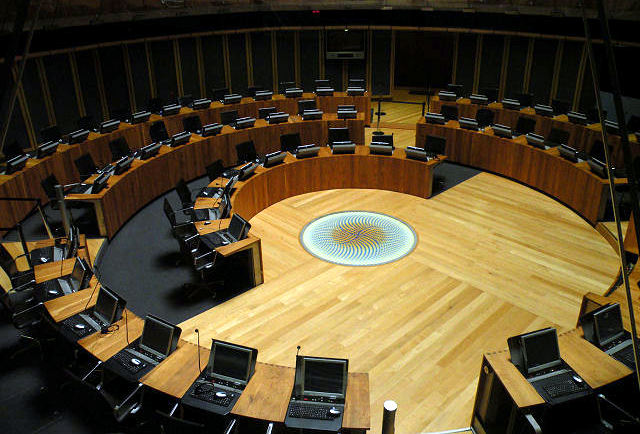
The dust has settled following the 7th May Senedd Elections, leaving the nationalist Plaid Cymru as the largest party in the newly expanded Senedd with Reform in second. A century of Labour domination in Wales came to a sudden end in one night:
- Welsh Labour only secured 9 seats in total with First Minister Eluned Morgan losing her seat (the first for a sitting leader in Britain).
- The Welsh Conservatives only managed to secure 7 seats themselves, owing to their abysmal record in Westminster over the past 14 years in power. Not even in traditional rural areas did they do well.
- Jane Dodds still remains as the solo Liberal Democrat in the Senedd.
- For the first time, the Welsh Greens managed to gain 2 seats after many previous attempts.
However, the largest shift was with the two now largest parties, Reform UK & Plaid Cymru. 34 seats to Reform UK, making them the official opposition, & 43 seats to Plaid Cymru. Plaid have said they plan to go ahead with a minority government, but are open to cooperation with other parties to get bills through.
Turnout for the first time was over a 50% majority, being around 51.6%, the highest in the Senedds election history. Though it’s about as much of an achievement as being the tallest dwarf. It’s both a great & sad achievement that turnout was the way it was. For some people I know it was the first time they had voted in the Senedd elections ever, possibly due to the new electoral system simplifying the process to one vote. There’s an argument to be made that going too complex a voting system in the name of greater representation can turn away potential voters, but that’s an argument for another day.
The results are a huge shift on the political landscape of Wales, for the first time, a non Labour government will be in charge in Wales.
These results are a cautious win for the working class across Wales, with policies such as rent controls, social housing, a national care service, improving public transportation & tackling the dangerous coal tips that litter our landscape.
Despite these progressive policies, there is nothing regarding nationalising key sectors of the economy for the public good, expanding workplace democracy & strengthening trade union rights, or replacing the unfair council tax system.
It is left to be seen as to whether the policies they have promised will be implemented, some policies are tied to political levers that only Westminster controls such as welfare, the police & courts, large energy projects, the crown estate, certain taxation policies & defence.
It will be a struggle for the devolution of these powers to Wales, but the labour movement has struggled many times for change & reform in the past. From the Merthyr Rising, Rebecca’s daughters, the Chartists, striking mineworkers in the General Strike, to struggling for the creation of an Assembly in Wales. The labour movement needs to keep the pressure on the new government to stick to political & economic reforms.
The idea of the new system is to avoid a monopoly of power in the Senedd. It’s very difficult to have one party with a majority in charge unless everyone else does abysmally. The Communist Party fielded two candidates (one in the North & one in the South), on a program of progressive policies for the benefit of the working class in Wales.
The new system isn’t perfect, but it’s an improvement on the old one.
Only time will tell as to how the new government will decide on the issues of the day, the challenges immense. They will have to keep things ticking along, while implementing new policies with the punitive Barnett formula of funding still in place & with a potentially unstable & hostile Westminster that controls a majority of the political & economic levers. Though this may be a good thing.
As of writing this, Keir Starmer is still Prime Minister, despite cabinet resignations & calls for him to resign. His position is unstable, so it may become easier to negotiate the hand over of certain powers.
We’ll see how the next four years unfold.
Diolch yn fawr.
Rhys Lloyd-Thomas, is a member of the YCL’s Cymru Branch