This summer I was honoured to represent the YCL at the 2026 World Youth Development Forum, held in Wuhan, China. Despite lasting only a week, I experienced and learnt more than many get to in a whole year, from my first experiences of Chinese culture and development to hearing the experiences of youth all over the world.
What is the WYDF?
The World Youth Development Forum is held annually in China, as part of the Global Development Initiative. This Initiative was launched under President Xi Jinping to contribute to achieving the United Nations Sustainable Development Goals. The Forum brings together hundreds of delegates and guests from a wide variety of organisations, many of which are not communist. It was quite the honour to be one of the few Communist voices at the Forum and I was very happy to introduce young people from around the world to our League, Party, and policies for – in many cases – the first time. Discussion of youth unemployment, fighting militarism, and building the united front were key themes to the many conversations and interviews I had with Chinese and international youth.
Other events are also organised beyond the annual WYDF itself. Held in the week before the Forum is the Global Acceleration Week, where projects that contribute to the UN SDGs are highlighted. Additionally, throughout the year a number of other forums are held that focus on specific regions or organisations, for example the Shanghai Cooperation Organisation Youth Development Forum.
A large part of the organising and volunteers staffing the Forum came from the All China Youth Federation, a group I was interested to learn more about. The Federation brings together 14 youth organisations, including:
- The Communist Youth League,
- Students’ Federation,
- Young Men and Women’s Christian Associations,
- And Young Volunteers Association.
I learnt that a key purpose of the Federation was to bring in other organisations of young people who may not be so political or interested in joining the Communist Youth League (CYLC), to incorporate their ideas and energy into the wider national project of the PRC, under the leadership of the Communist Party and CYLC.
The key themes of the Forum were AI and Youth Empowerment, Volunteerism and Poverty Reduction, and the Creative Economy and Trendy Culture. Alongside a thematic Forum on each of these 3 – typically involving a couple dozen speakers each – the event also involved a grand Opening Ceremony, field visits throughout Wuhan, and a UN Youth Agenda Workshop.
Some of the most memorable topics from the Forum on Creative Economy and Trendy Culture were about the incorporation of historical designs and artifacts into modern products, and the role of sports such as running competitions in learning and discovering new places. The former made me wonder how the League can look into the history of the nations of Britain, especially worker’s history, to inspire the imagery of our agitprop and merchandise. The latter made me thing more about the role of sport, historically a significant feature of our youth movement, in bringing together comrades and allies and as a tool for learning too.
The session on Volunteerism and Poverty Reduction featured an insightful talk on the Chinese government’s approach to elimination of poverty. A targeted approach was taken, coming into a single village, Shibadong – the poorest village in the Wuling Mountains. A comprehensive poverty alleviation strategy was begun, emphasising:
- Public participation,
- Using good examples to inspire the residents to do the work themselves,
- Development of industries based in local features and conditions,
- Harmonising infrastructure development with preservation of rural charm and pleasant living,
- And strengthening organisation to build a capable village leadership team.
General lessons in poverty reduction could be drawn from the specific experiences in Shibadong, and then applied to other specific circumstances elsewhere within China. This approach to poverty reduction gained international recognition and was later adopted at the UN General Assembly.
There are many other examples I could provide from the various Forum events, but I will highlight just one more. At the UN Youth Agenda Workshop, we were divided into 6 groups, each themed around one of 6 UN agencies, with a representative from each. Each group discussed topics around youth engagement with the UN, and the key takeaways from the feedback were:
- It is hard to do volunteer work if you can’t afford to live (unsurprising to many readers I am sure),
- There was a lot of interest in bringing together youth organisations within a country through (re)building or revitalising a national youth council/assembly/Federation,
- And desire for more support from the UN to youth organisations to provide them the resources and research they need.
While the YCL is not in a position to single-handedly rebuild and renew Britain’s national youth structure, the role of communist youth in such a long-term project, especially as we do our work in other organisations such as the National Union of Students, the newly re-established Youth & Student CND, trade union young members networks, etc. is worth considering.
Especially, the Workshop reminded me that the YCL had historically had some involvement in the structures of the wider British youth movement, and it would be worthwhile to learn more from this past, especially talking to older Party comrades who may have been there at the time.
Exploring Wuhan and Yichang
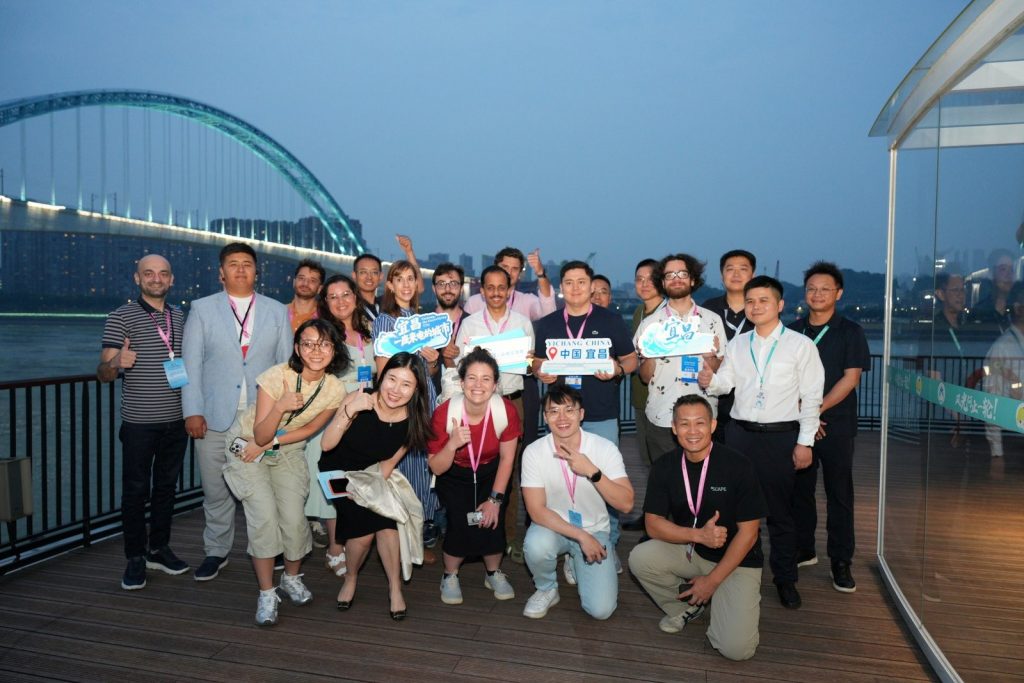
This year the Forum was held in Wuhan, Hubei Province, with a smaller Youth Leaders Campus in the nearby city of Yichang afterwards. It was my first time not only in Wuhan and Yichang, but in China as a whole. The many trips taken both in the Forum and the Youth Leaders Campus taught me a lot about these two cities and China more generally.
Wuhan
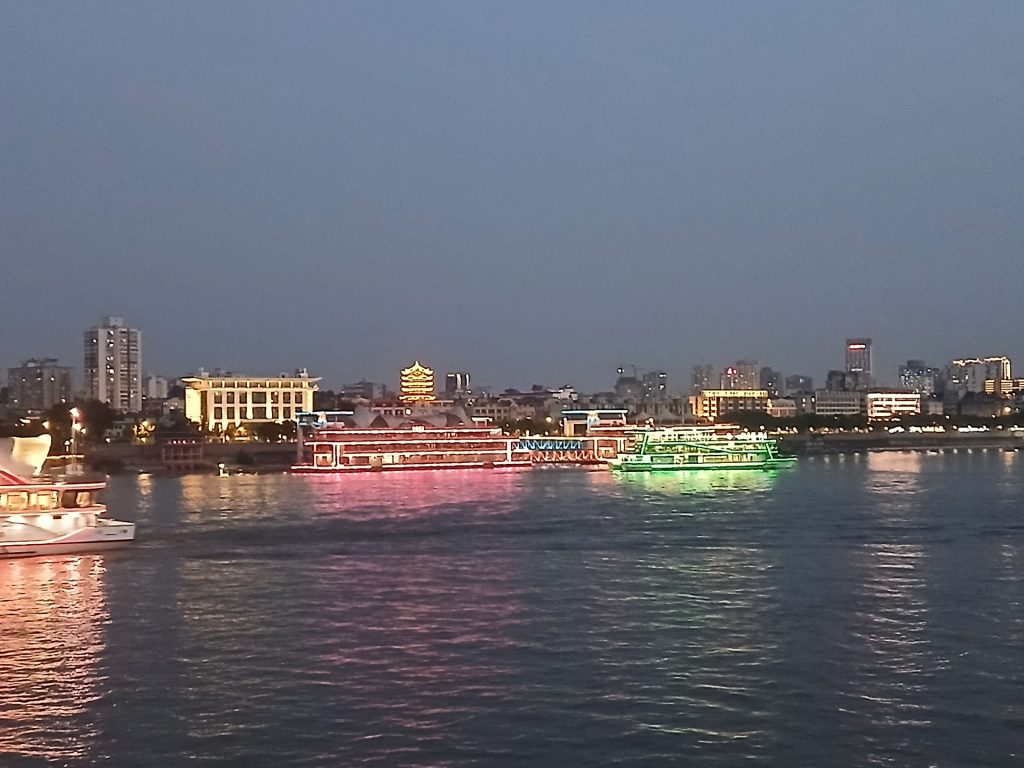
Wuhan is the main city of Hubei Province, in China’s Central Plains region. It sits where the Yangtze River, one of China’s two great rivers, is joined by a major tributary, the Han River. Appropriately for a river city, Wuhan has some impressive bridges, which were the first taste of Chinese infrastructure I encountered after leaving the airport on my first day.
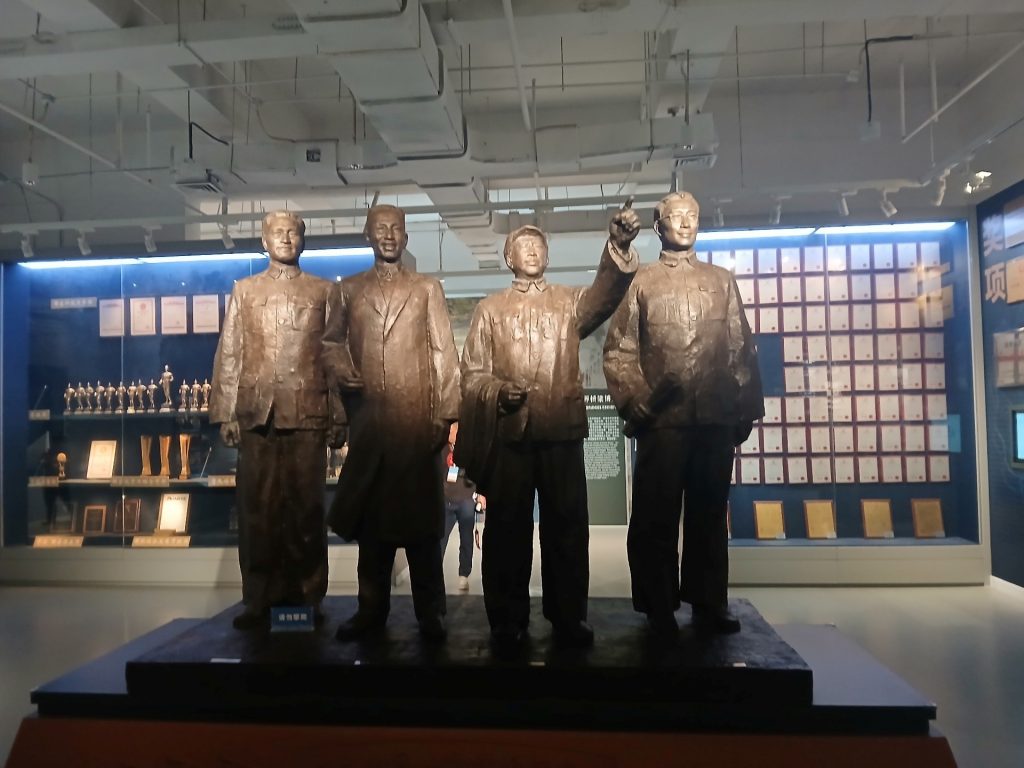
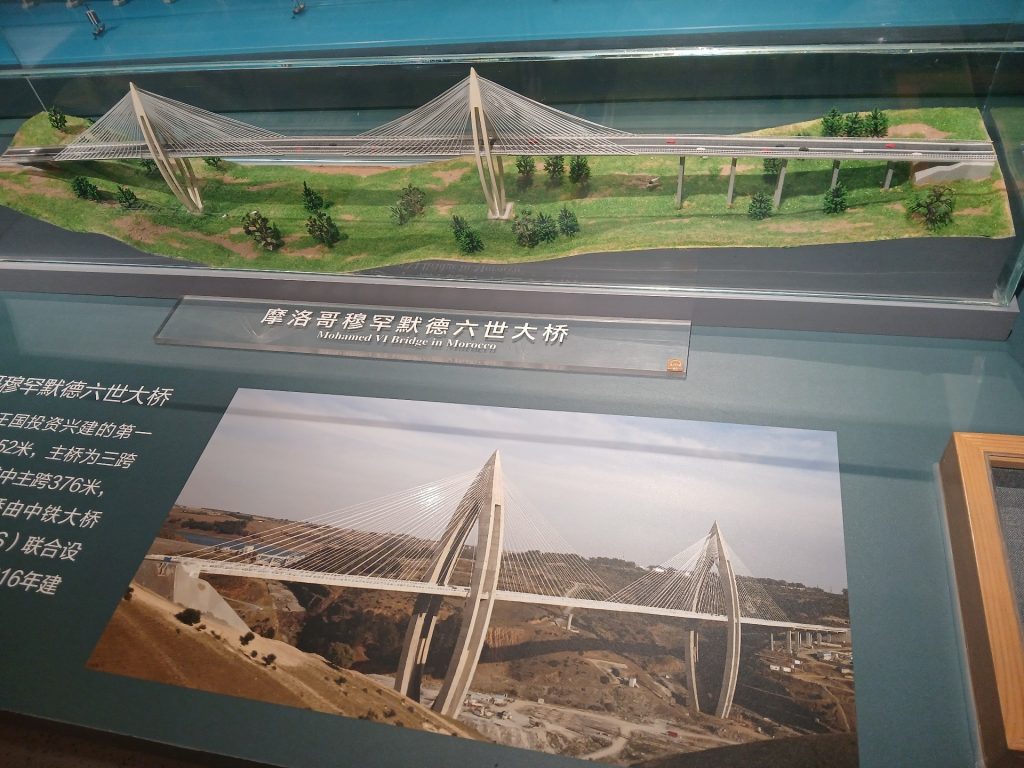
In fact, Wuhan is home to a dedicated Bridge Museum, which I was lucky enough to visit on top of another trip to the Provincial Museum.
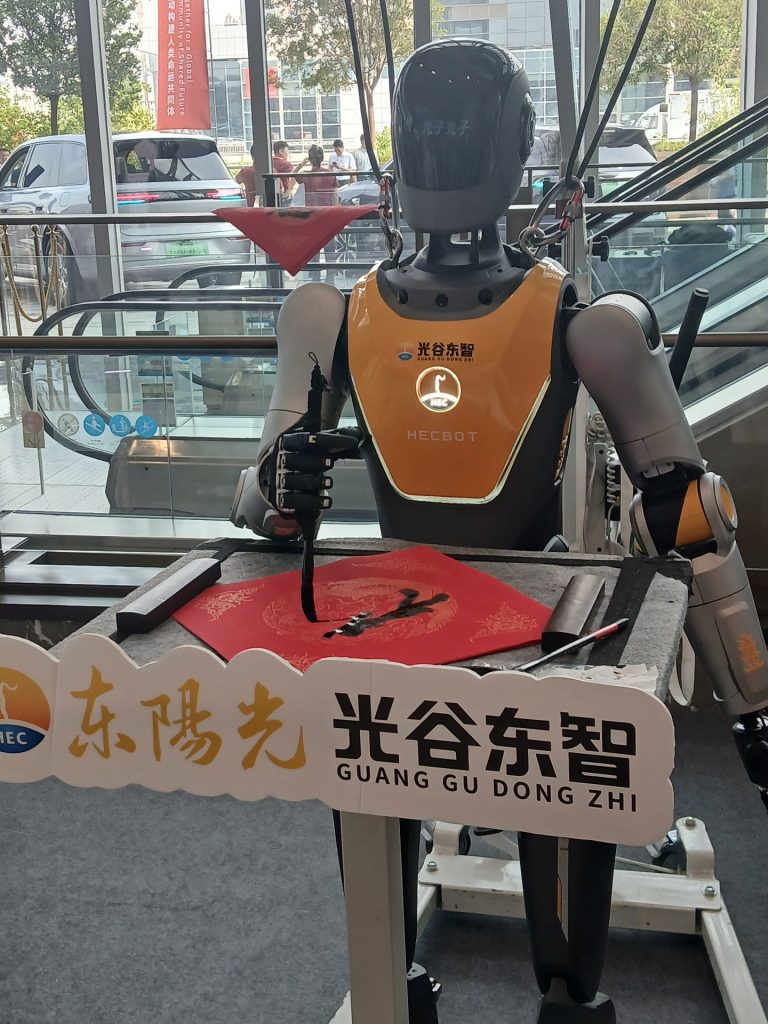
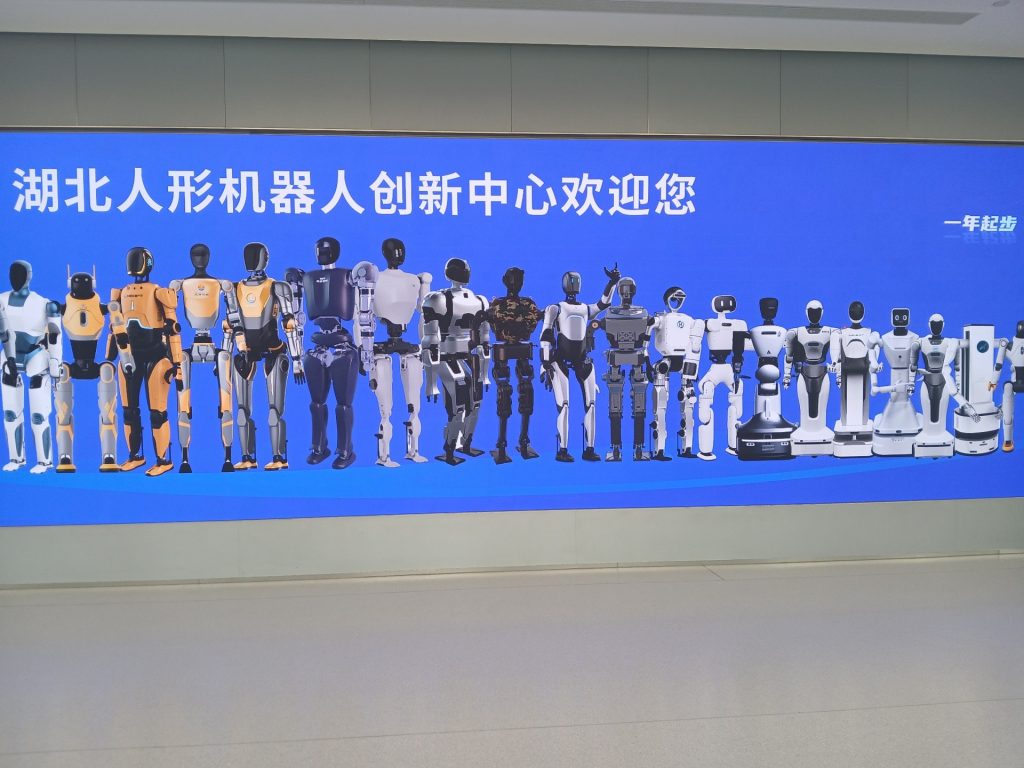
One of our most thought-provoking visits in Wuhan were to the Hubei Humanoid Robot Innovation Centre and the Xiaomi Smart Home Appliances Factory. Both of these offered insights into automation in different ways. The former demonstrated various capabilities of humanoid robots, from dancing to lifting objects and fine motor skills. As we toured the centre, much of the emphasis was on the potential for automating difficult, dangerous, and physically wearing labour. The latter factory demonstrated a fully automated workplace, along every step of the process.
The takeaways from the tours and conversations throughout were twofold. On the onehand, for myself seeing an entire workplace automated made me worry about the potential of looming mass unemployment, but from the conversations especially with people from China, there seemed to be a lot of optimism about the potential of automation as a liberatory force – liberating humanity from menial and dangerous work.
This contrast in my concerns coming from a western capitalist country and the much greater optimism with which automation was viewed on these visits highlighted to me that, as with many labour saving innovations before, the key concern is not with the technology itself but who owns and controls the technology. We have little trust in the British government to safeguard us from being driven into unemployment, especially when we have 1 million NEETs in our country already. The optimism and positivity in these innovations, and others throughout my trip, was quite a culture shock compared to the pessimism of modern Britain.
Yichang
Another experience I had of modern Chinese infrastructure came on our high speed rail trip to Yichang.
Yichang is the second largest city in Hubei Province, also along the Yangtze River, and the area is home to the Three Gorges Dam. I found the trains there and back to be of a quality I rarely get to experience in Britain, with very comfortable seats and modern, clean interiors. As for the speed, by the time I had a single conversation with the fellow delegate beside me, we were already in Yichang.
Our trip to the Three Gorges Dam was certainly the highlight of the Youth Leaders Campus. The Dam is the largest hydroelectric dam in the world, and through visiting multiple sites we learned about its construction, running, and the measures taken to protect and restore the Yangtze River ecosystem today. There was particular emphasis on ecology and I was invited to speak around the theme of the “ecological civilisation” while at the Three Gorges Dam Museum. This speech gave me the opportunity to introduce international delegates to the League and Communist Party’s united front strategy, our promotion of the Alternative Defence Review, and the role of young communists as leaders in their unions and campuses in the struggle against war and climate change.
It is clear from my trip that the Western perception of China – still encountered especially with older people – as a highly polluted, unclean country is very outdated. Ecological preservation was demonstrated to be a key priority throughout the week, including an honest recognition of past failings that are now being reversed.
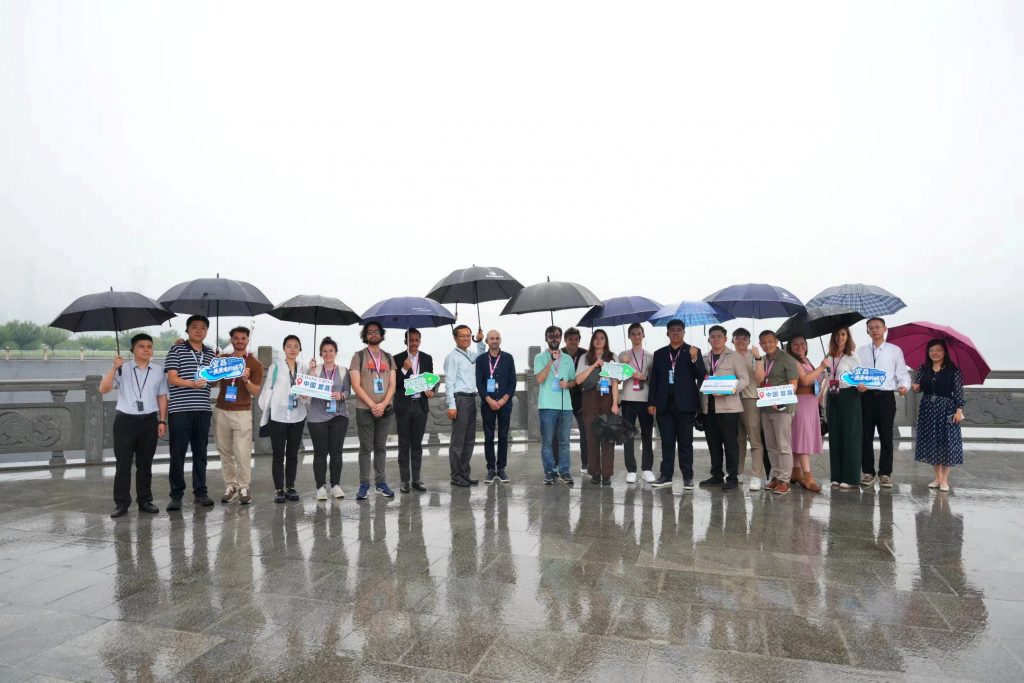
We capped the trip to Yichang off with cultural visits such as the Dragon Boat Festival, trying on traditional Chinese clothing, and listening to some traditional Chinese music. We ended the last day with a trip to an Orange factory/museum, where we saw how the local industry of orange growing can be expanded into many forms, from orange tea to cakes to wine.
Conclusion
Overall, my week in Wuhan and Yichang gave me a lot to think about. Firstly, the contrast of speaking about communism in a country where that term carries no stigma, compared to Britain, was noticeable – even with the many non-communist delegates, I encountered open-minded curiosity, not a litany of red scare myths and assumptions
Secondly, it inspired me. To meet so many young volunteers working hard all day to bring such an event together. To hear the work of so many organisations around the world. It reminded me of the bigger picture the YCL finds itself in, as part of the global youth and communist movements. We have an important role to play as the communist youth of a country that, like much of the West, has neglected sustainable development to feed the greed of monopoly capitalists instead.
Finally, it strengthened my determination. I already knew, on paper, of the success of the PRC in its relatively short existence. I already knew, in theory, why a lot of the cold war accusations thrown at the country don’t hold up to scrutiny. Yet, nothing compares to seeing the reality in person. I am certain more than ever of the importance of campaigning against a New Cold War on China, of busting the myths, of putting forwards an anti-imperialist, anti-war, and pro-sustainable development line in our unions, classrooms, and communities.
Philip English, is a member of the YCL Central Committee, and Editor of Challenge