On the woman question and building the class struggle
“The struggle to end women’s oppression is no mere optional extra but an intrinsic and essential part of the struggle for socialist political, social, and economic change.”
The history and importance of Reclaim the Night

Maise Riley details the origins of Reclaim the Night, why it was important then, and why it continues to be important today
Remembering the Kirkby Rent Strike
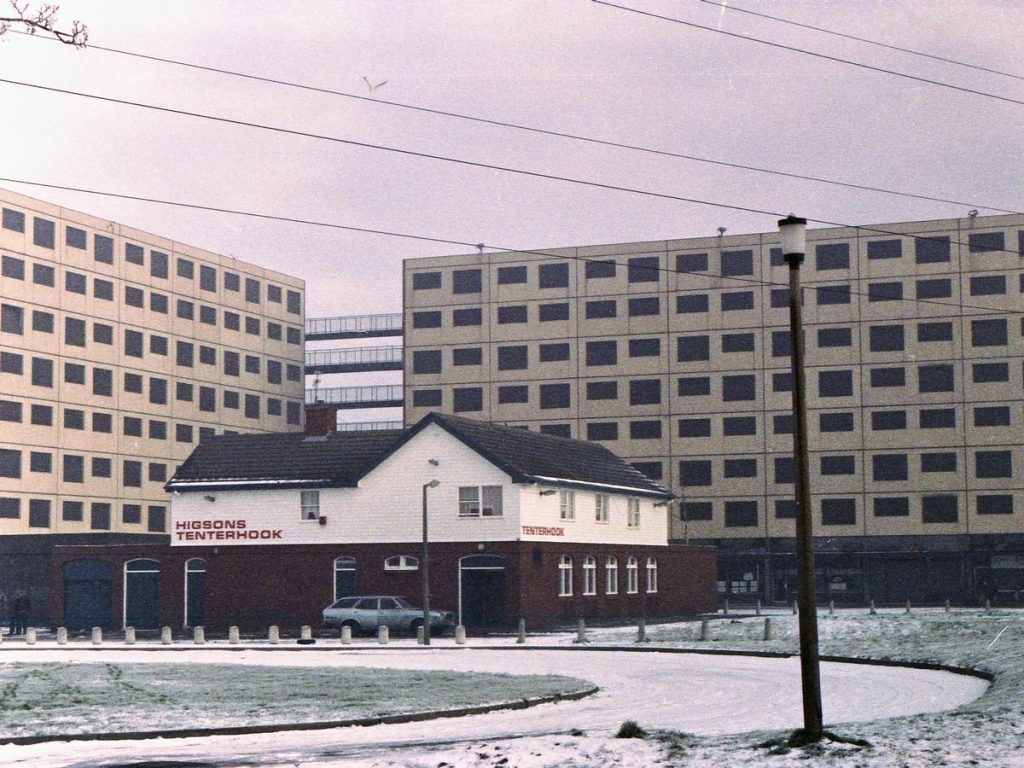
50 years old this year, Sam Fury writes on the important legacy that the Kirkby Rent Strike left for housing campaigners in Britain
Four missing women activists in Afghanistan released
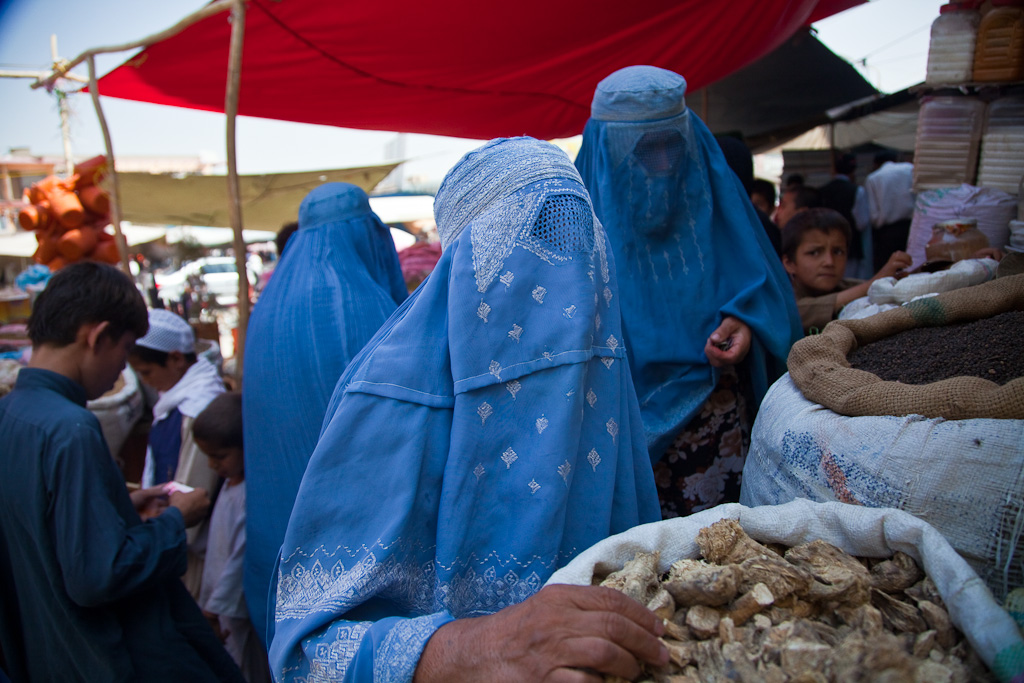
The United Nations has revealed that four missing women’s rights activists were released by “de facto authorities” in Afghanistan, following weeks of worry and uncertainty
The epidemic of sexual harassment in schools
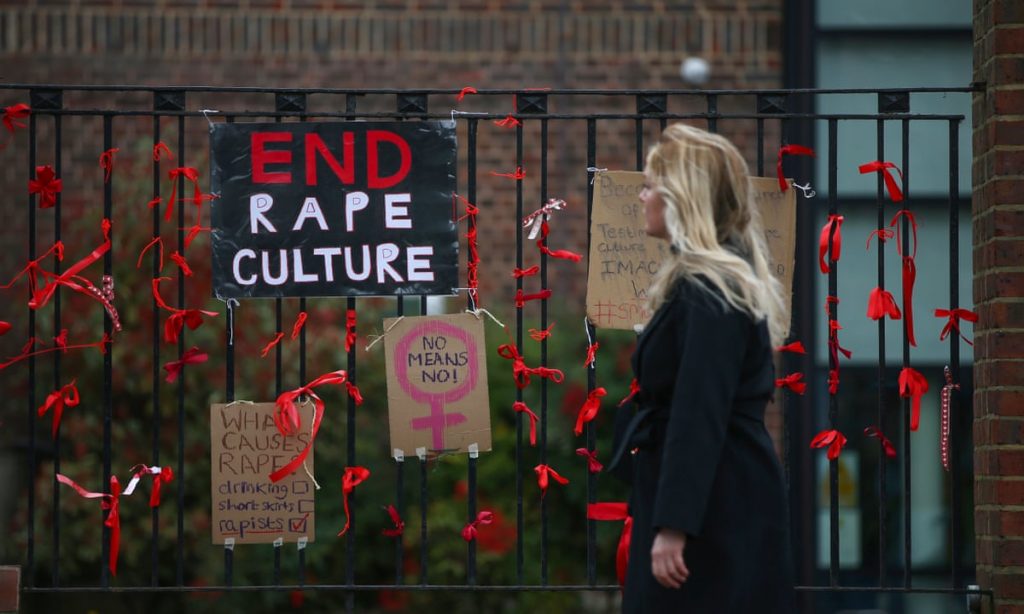
Sexual harassment and online sexual abuse are such a conventional aspect of pupils’ everyday lives they don’t see any point in confronting or reporting it, students have expressed to Ofsted inspectors. Girls experience this abuse disproportionately, facing the likes of misogynistic name-calling, online abuse and rape jokes amongst many other harrowing displays of sexual harassment. Inspectors were informed that boys share nude photos on apps, such as Snapchat, “like a collection game”.
Missed Clare’s Law deadlines put women at risk
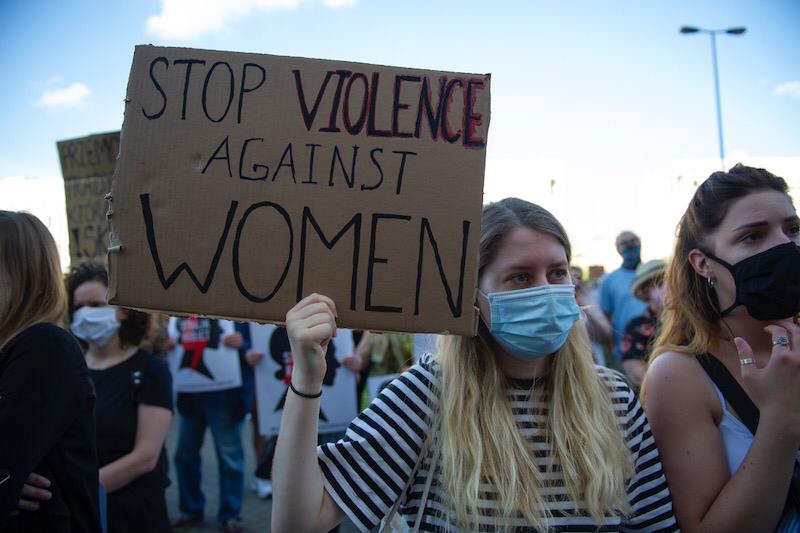
Nearly 25% of applications for background checks accepted last year by the police took longer than a month to reveal information about the criminal histories of suspected abusers. Under Clare’s Law, implemented in 2014, people have the “right to ask” police about any past domestic violence or offences that mean their partners could be a potential risk to them.
Will the Domestic Abuse Bill keep women safe?
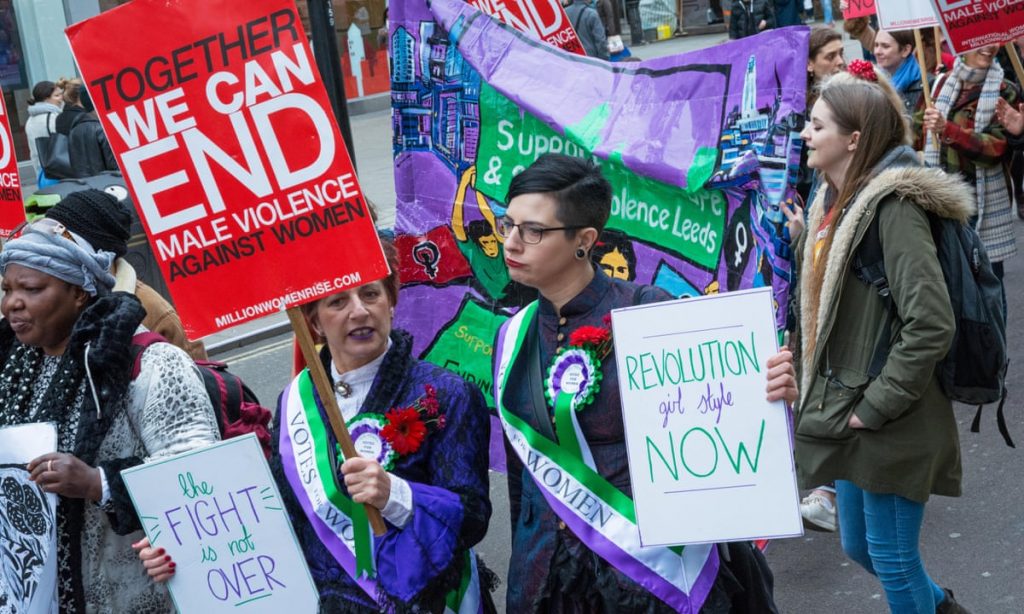
Between 2009 and 2018, 272 young women aged 14 to 25 were killed. In many of these cases, stalking, coercive control, the influence of pornography and the men’s failure to cope with rejection helped lead to the death of the women and girls. Half of the 272 killings were labelled “overkills” due to the excessive violence committed.
CP to hold online feminist festival on ‘Sisterhood, Socialism & Struggle’ on 8 May 2021
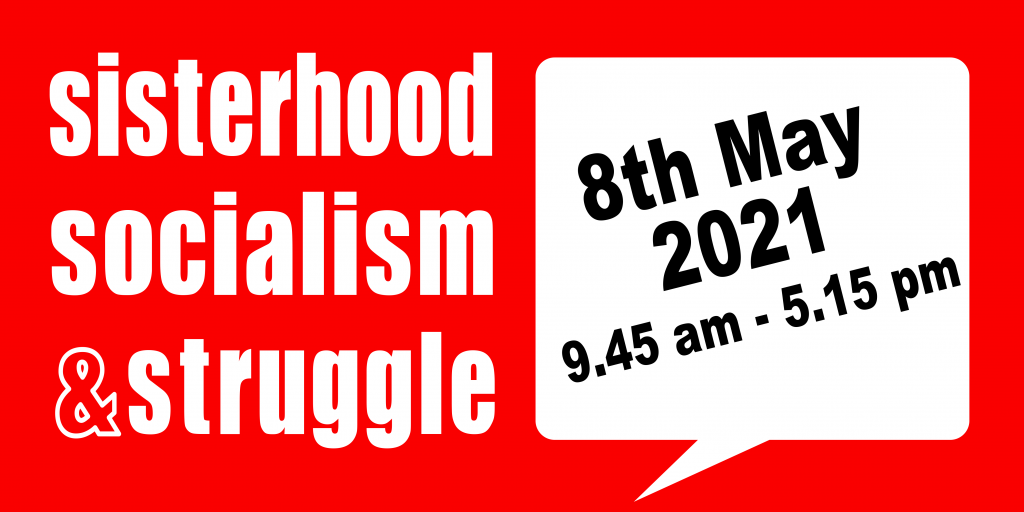
The Communist Party is organising a one day Marxist feminist festival celebrating ‘Sisterhood, Socialism & Struggle’ in Britain and across the world on 8 May 2021. The event aims to put women’s liberation at the heart of class struggle and explore how we should respond to the intensification of women’s oppression under modern capitalism.
Women in public: American and Soviet depictions
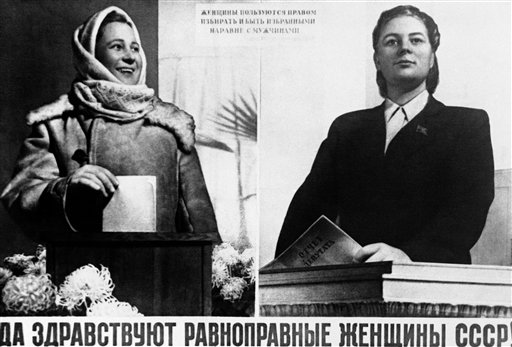
The depictions of women in the public life in the USSR and America reveal much about the progress of emancipation and liberation
Anti-Women violence rooted in Capitalism, says CP
In the wake of the murder of Sarah Everard, Carol Stavris told the Communist Party’s executive at the weekend that violence against women has “deep roots in the capitalist system of exploitation”. “The position is made worse by inequality, poverty, sexist stereotyping, the commodification of women’s bodies, loss of crucial public services and inadequate support for women and children suffering abuse”, the CP Women’s Organiser declared.