Greece: the school-student struggles for essential health protection measures and the activity of KNE
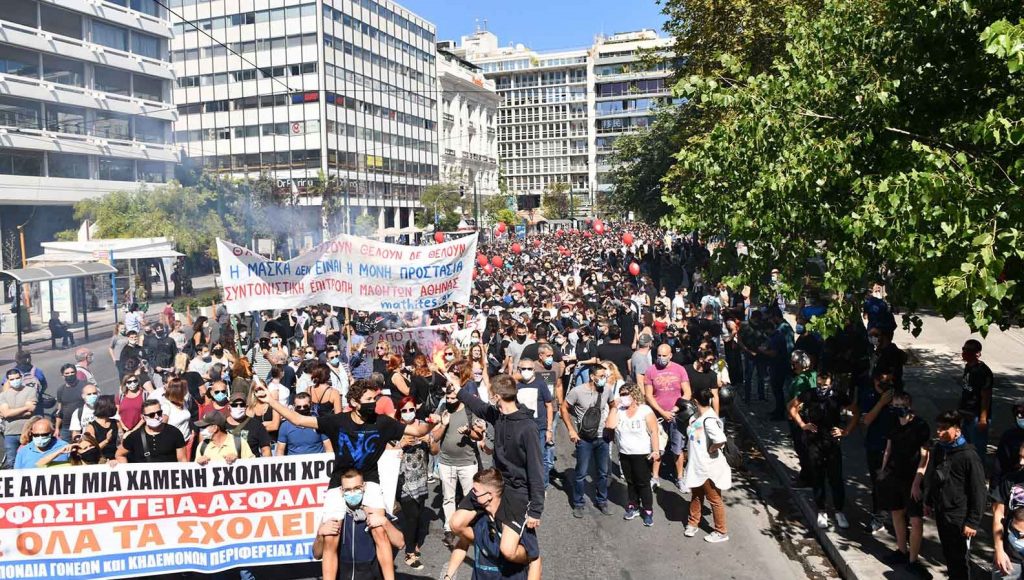
The International Relations Committee of the Communist Youth of Greece (KNE) details the ongoing fight by students in the country for proper and effective protection from COVID-19.
Events workers stage Day of Action across Britain
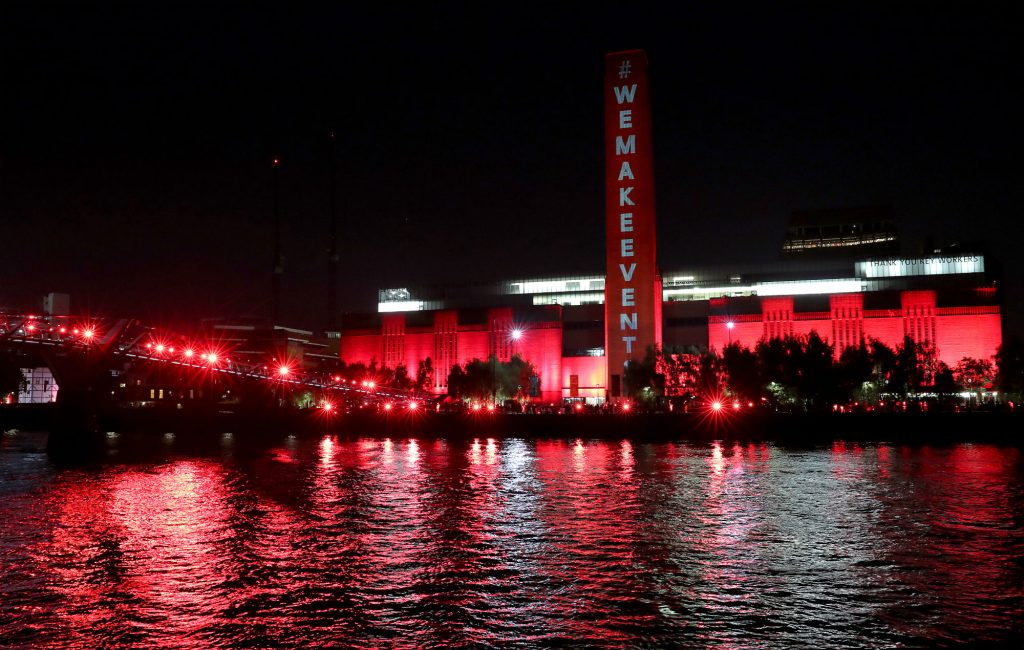
Yesterday (30 September 2020), events professionals around the country took part in various actions to expose the dire situation facing workers in this highly profitable industry. Graham Dakin writes about the conditions and challenges that have led them to this point.
Poetry Corner: Why I Choose Red by Hugh MacDiarmid
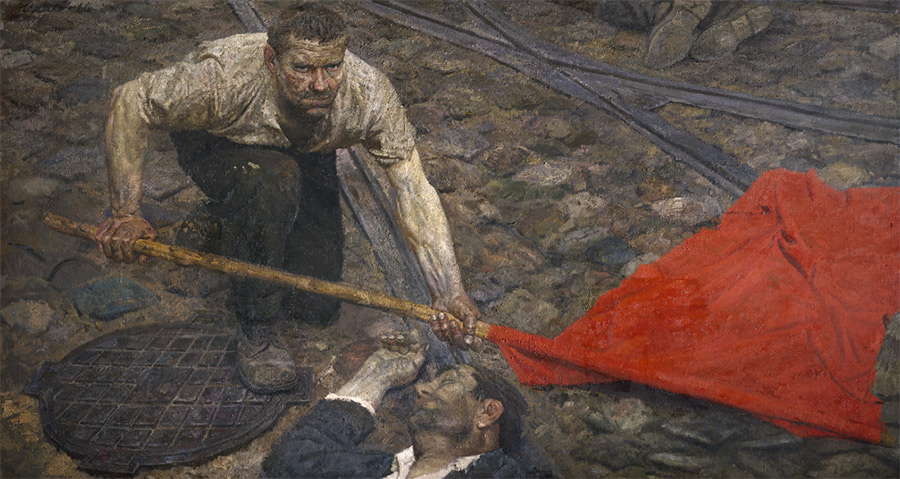
Why I Choose Red by Hugh MacDiarmid
Dr Christopher Murray Grieve, who wrote under the pen-name of Hugh Macdiarmid, was the greatest Scottish poet of the twentieth century. Best-known for what he called “Lallans”, a literary form of the Lowland Scots language that he developed, he also made use of English.
At different stages of his life he was a supporter of Scottish nationalism and communism. Famously, he stood for the Communist Party against Tory Prime Minister, Sir Alec Douglas-Home, in the Kinross & West Perthshire constituency in the 1964 general election, as part of an unsuccessful bid to get television time for the Party. His A Sprig of White Heather in the Future’s Lapel, written for former Communist MP Willie Gallacher on the occasion of the latter’s 80th birthday, is particularly famous among Britain’s Communists.
Here we feature Why I Choose Red, one of McDiarmid’s strongly political poems.
Capitalist ideas and working class power
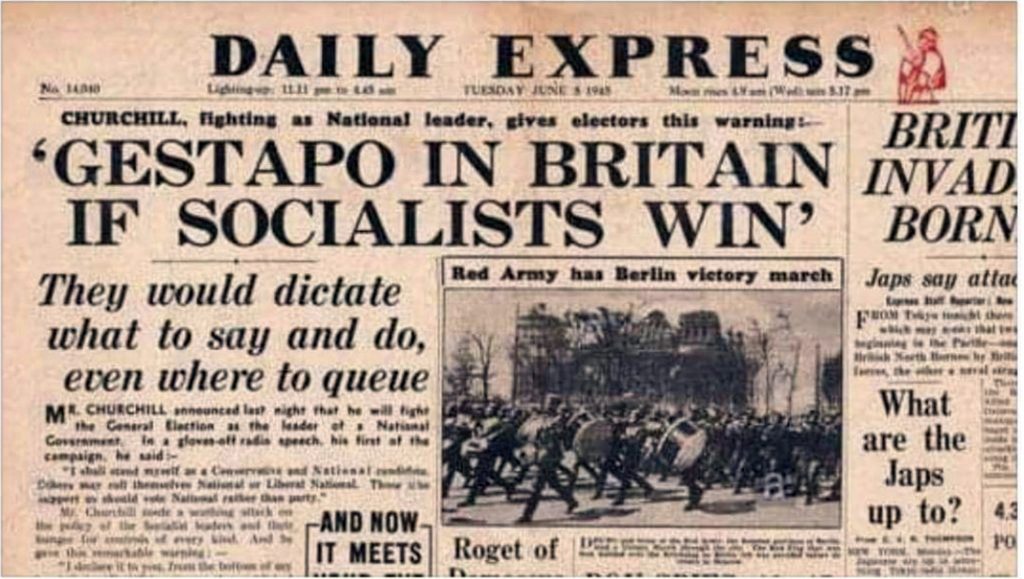
Nick Wright discusses the prevalence of rampant individualism among Britain’s media and ruling class during the coronavirus pandemic and the ideological significance of attacks on public health measures as ‘Stasi hell’.
The Battle of Cable Street — why it’s still relevant to young people today
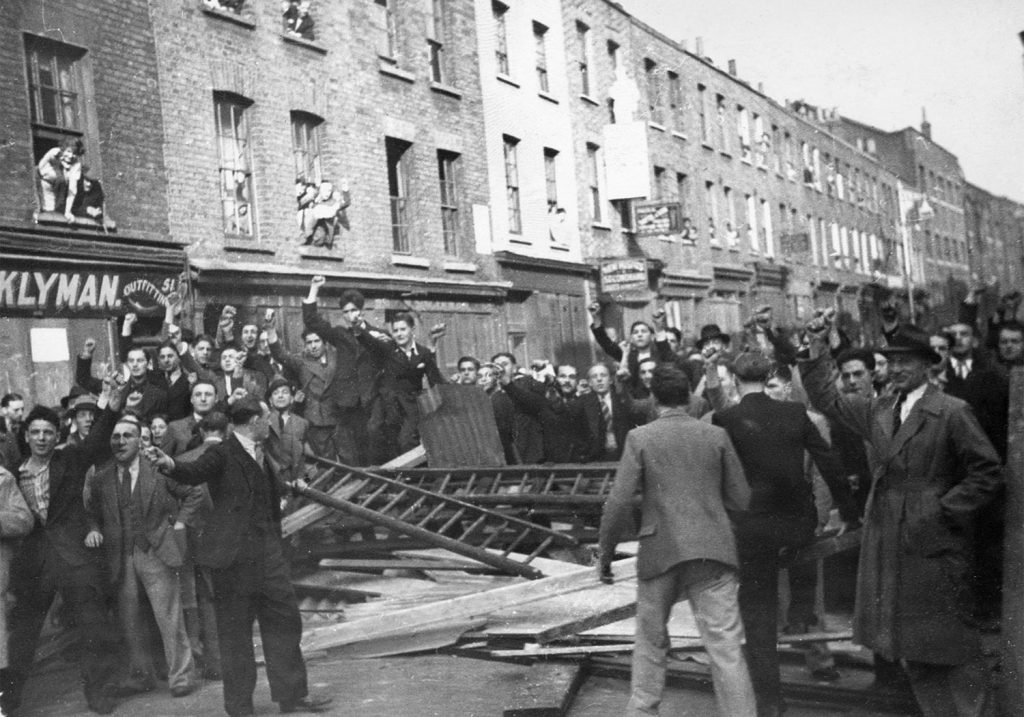
As we approach the 84th Anniversary of the legendary Battle of Cable Street on 4 October, Joe Weaver discusses its historical importance and living legacy.
After the TUC Congress 2020

Daragh O’Neill discusses the outcomes of last week’s TUC Congress which was held online for the first time – and the challenges facing the labour movement as we head towards 2021.
Privatisation Shock Doctrine in full effect as the Tories take advantage of the COVID-19 Crisis
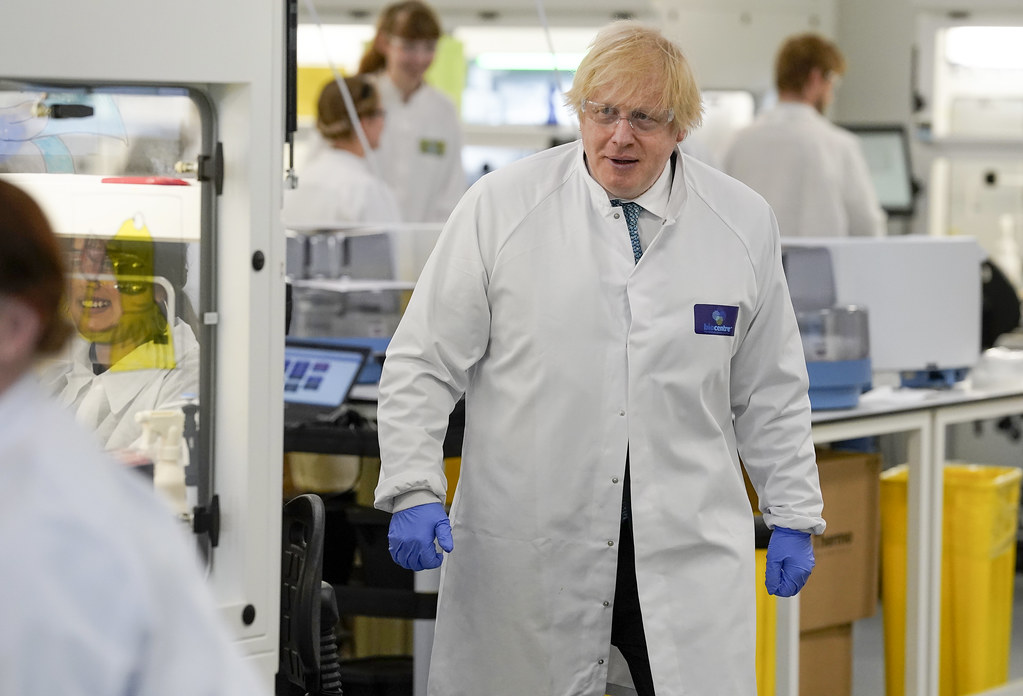
Daragh O’Neill sounds the alarm bell on creeping Tory privatisation of our NHS, which is taking advantage of coronavirus gripping the country to accelerate changes and siphon off public money.
The left should oppose Johnson’s Internal Market Bill – but not for the reasons you might expect
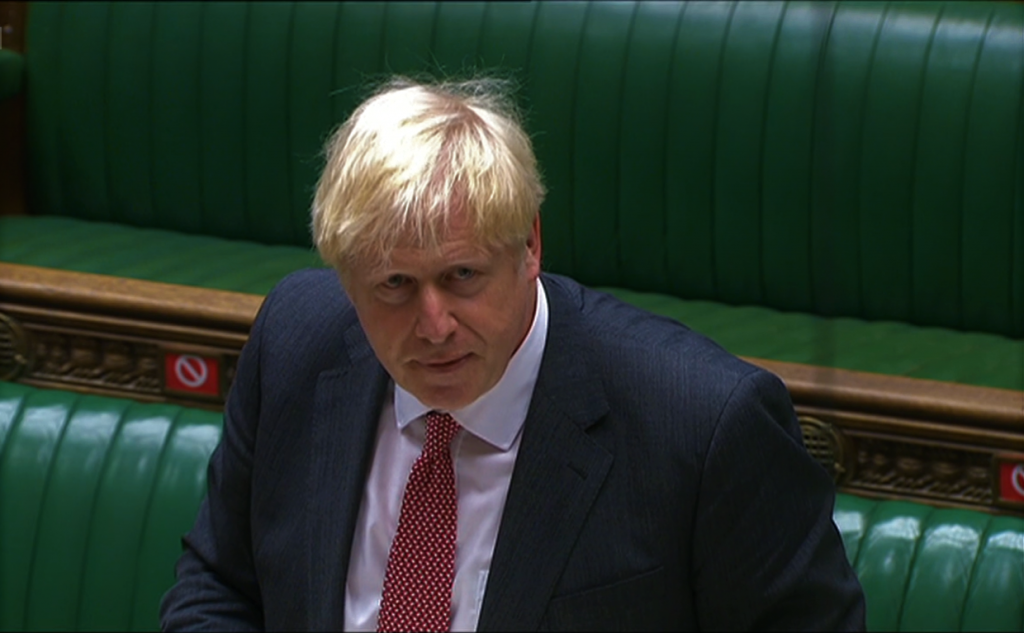
The government’s new Bill withdraws economic decision-making powers from devolved administrations just as they are set to escape EU ‘competition’ regulation, explains Communist Party International Secretary, John Foster.
CP of Venezuela: “for a revolutionary way out of the Venezuelan crisis of dependent and renter capitalism”
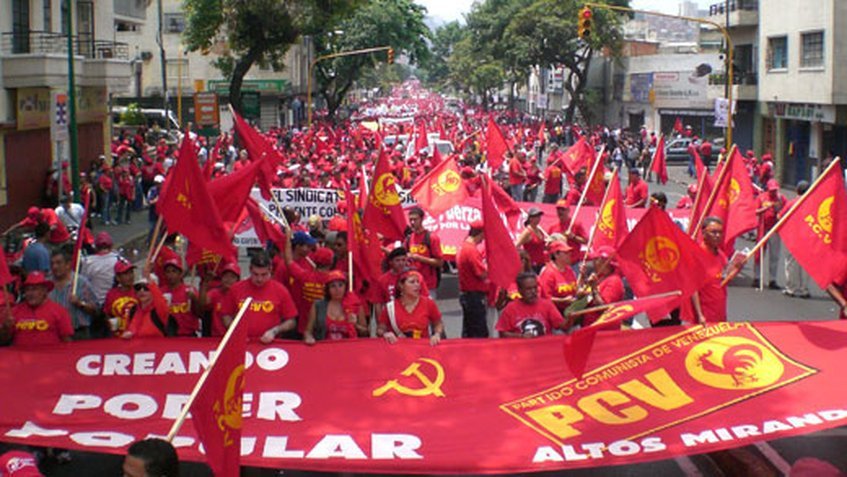
The Communist Party of Venezuela has issued a detailed statement to the world Communist movement outlining the current political situation in Venezuela, the outlook of the PCV and their reasoning for forming the Popular Revolutionary Alternative to stand in this December’s parliamentary elections.
Green Frontier and Wild District: The Bolivarian vs The Bolsonarian Revolution

Dennis Broe reviews two Netflix original TV series, Green Frontier and Wild District, two shockingly different approaches to South American struggles for political liberation.