28. Fascism
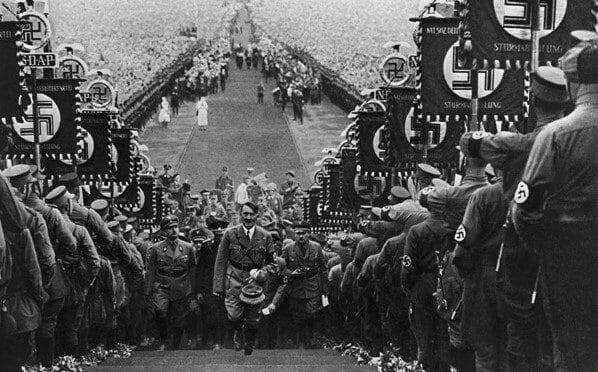
Fascism is a term many are familiar with, however, a call to not only identify but actively combat fascism is sirening. The early 20th Century harboured many events which resonate throughout modern-day society as a whole, and one such event was World War Two. WWII saw the allied forces combatting a parasitic, mindlessly violent disease: […]
27. Anarchism
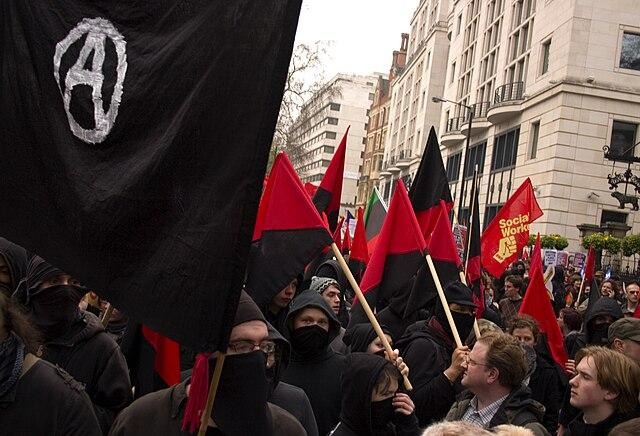
Can the state be abolished overnight? Or does it require a transition? Since the 19th century, this has been the lynchpin of the debate between anarchists and Marxists. In 1906, Stalin wrote a series of articles under the title Anarchism or Socialism? In them, he defines one of the key differences between anarchism and Marxism […]
26. Revisionism
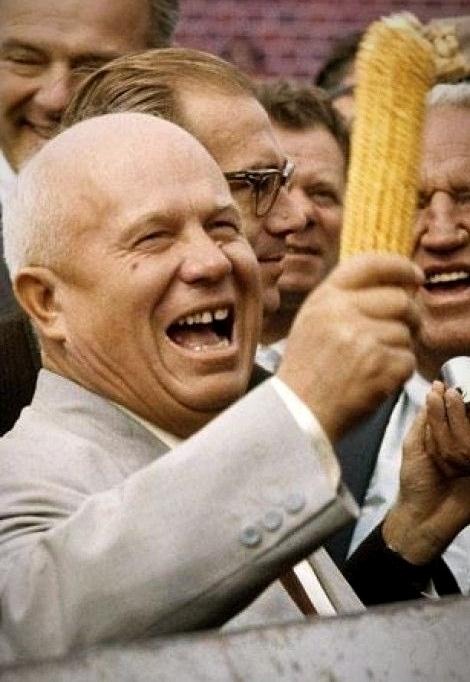
In Marxism and Revisionism, Lenin describes how, over the course of their lives, Marx and Engels engaged in a bitter struggle against the incorrect ideas on the left vying for the support of the working class over the course of the 19th Century. During this struggle, they defeated the idealism of the Young Hegelians, the […]
25. Trotskyism
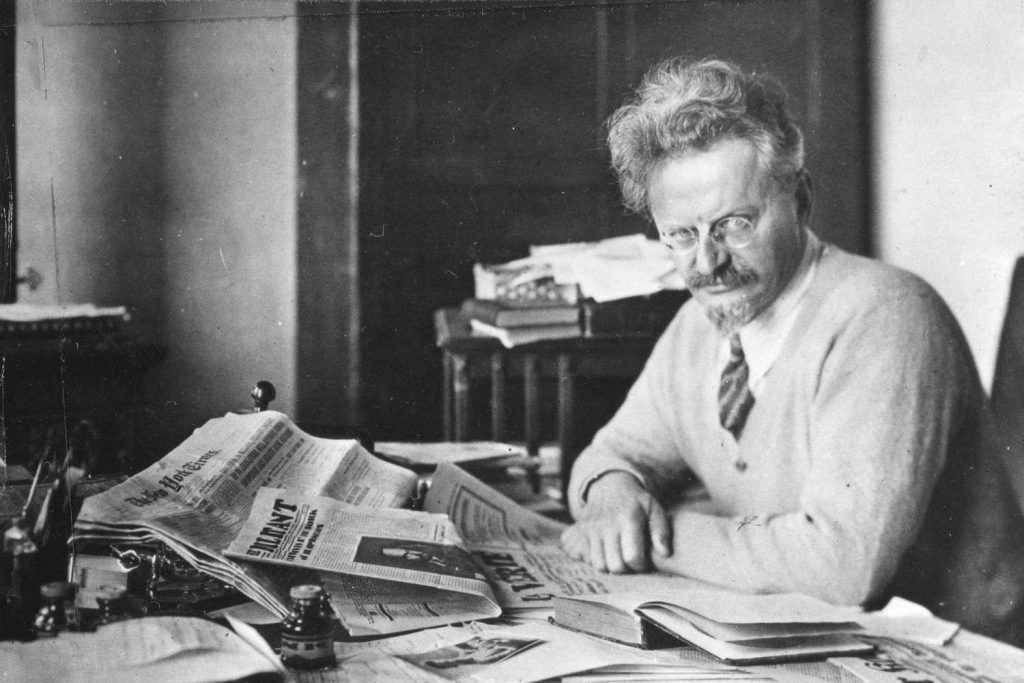
In 1924, Vladimir Lenin, leader of the Bolshevik Party and main inspiration of the October Socialist Revolution, died having seen the formation of the world’s first socialist state and its survival amidst civil war. The USSR was at a crossroads. Expected revolutions in Germany, Italy, Poland, and other advanced capitalist countries had failed, leaving the […]
24. The Labour Party
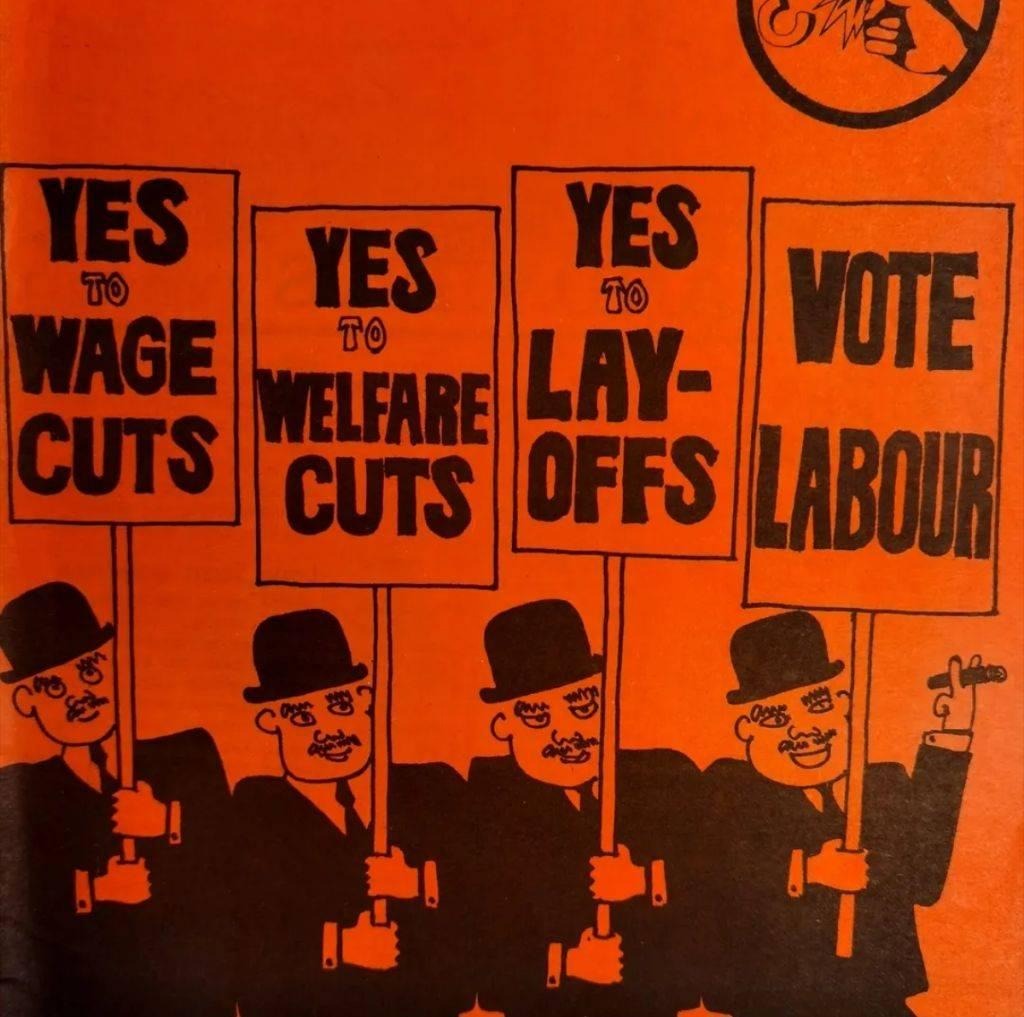
For British communists, the role and influence of the Labour Party cannot be ignored, as it has historically been the major party backed by Britain’s working class. With the affiliation, but declining influence, of several large trade unions, for many workers it has been seen as the only viable reformist vote in much of the […]
23. Reformism
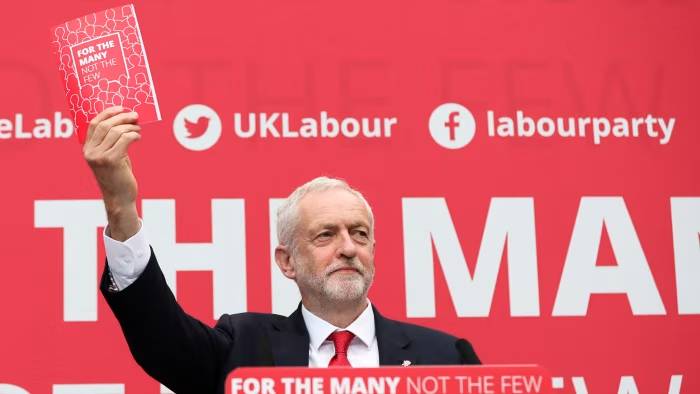
“There can be no unity, federal or other, with liberal-labour politicians, with disruptors of the working-class movement, with those who defy the will of the majority. There can and must be unity among all consistent Marxists, among all those who stand for the entire Marxist body and for the uncurtailed slogans, independently of the liquidators […]
22. Laos
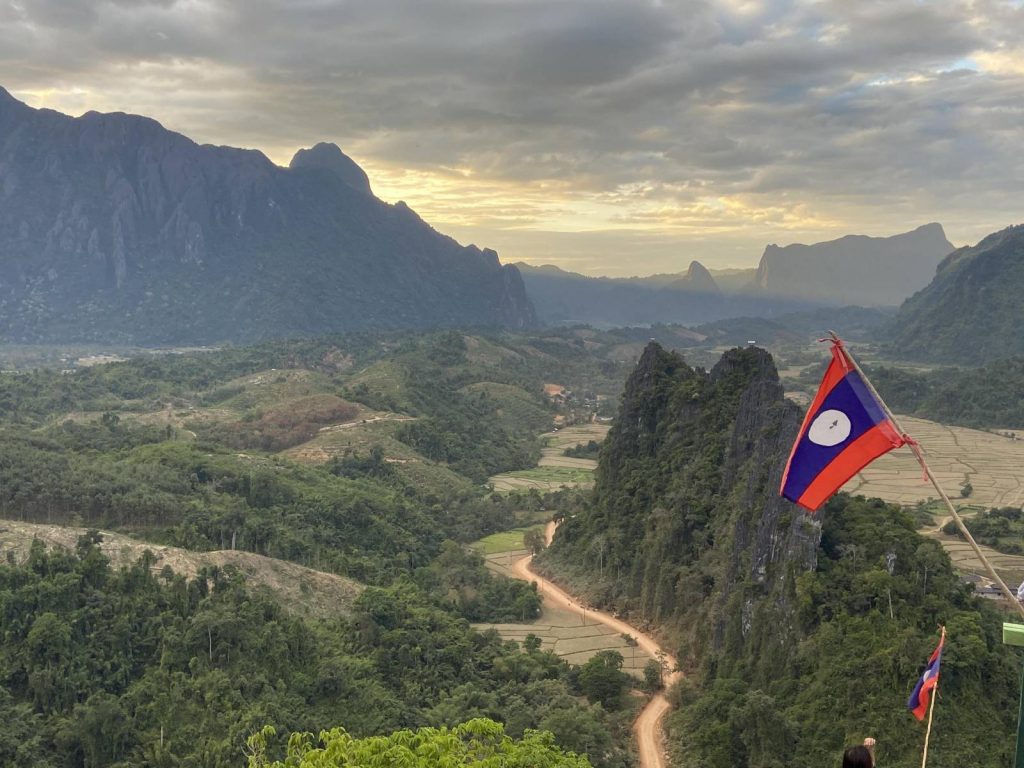
Laos is a country in southeast Asia with a population of almost 8 million people. This small country is also the most bombed country on earth, a title vested on the nation by the brutal bombing campaign perpetrated by the United States during Laos’s struggle for independence, sovereignty, and development. Originally home to a population […]
21. Cuba
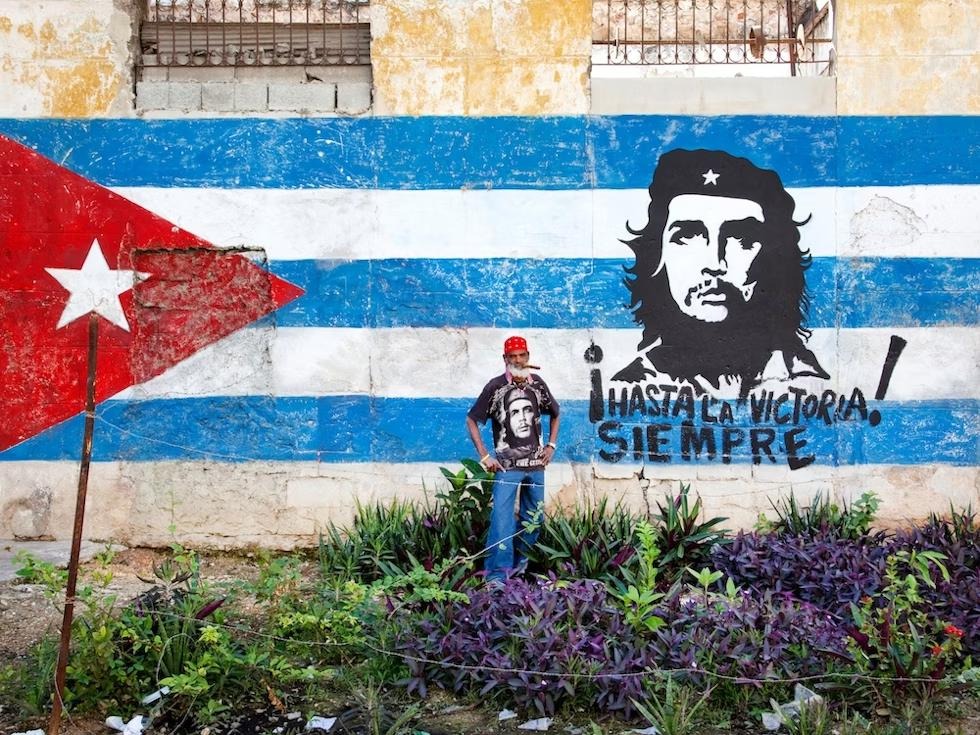
Like many other socialist states, the Cuban revolution emerged out of the country’s relationship with imperialism. Spanish colonialism began in the early 16th century, which included a genocidal invasion that wiped out multiple native Cuban ethnic groups. In the centuries that followed, Cuba became a centre of the Spanish slave trade, with first tens of […]
20. China
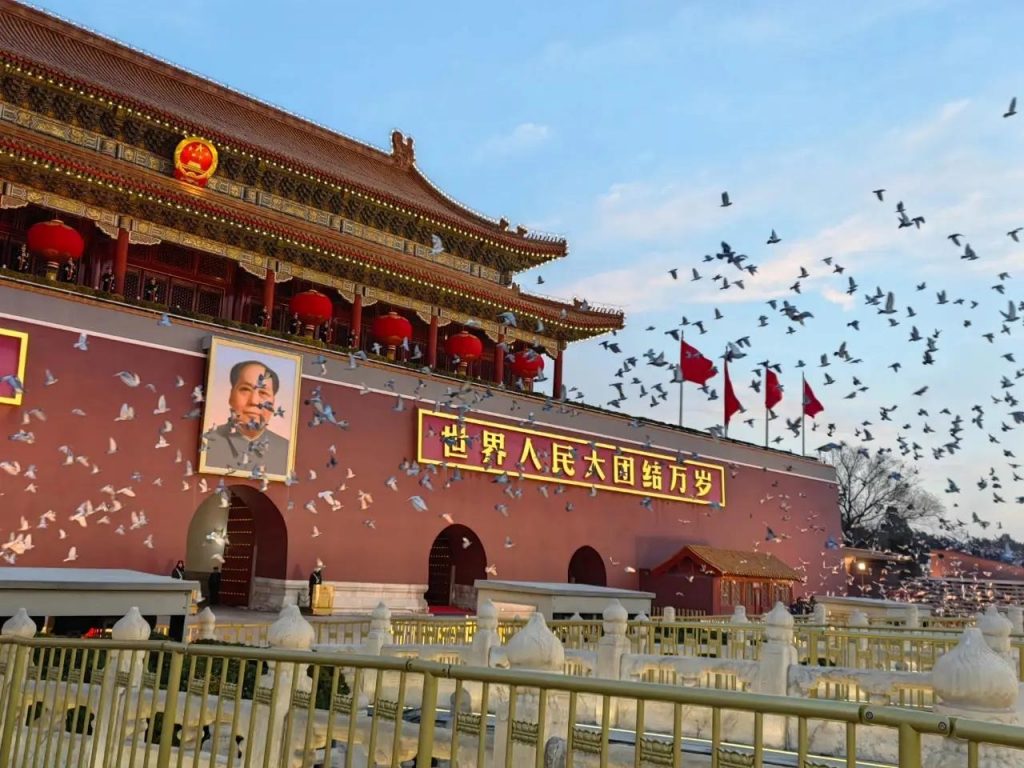
The People’s Republic of China (PRC) has achieved a remarkable rise since its founding in 1949, transforming from one of the world’s poorest nations into its second-largest economy and a significant challenge to the post-Cold War hegemony of the United States of America. With this, China has become the most prominent communist-led country today, where […]
19. The DPRK
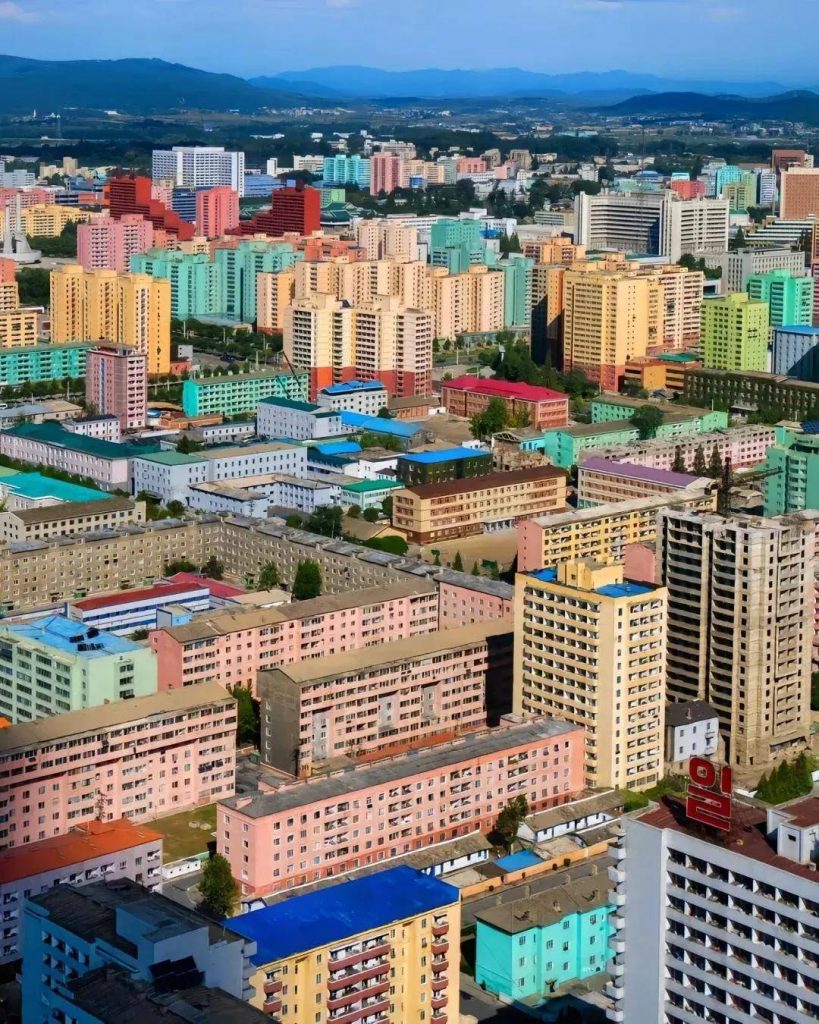
Revolutions are built on the material conditions of previous societies. In the context of the Democratic People’s Republic of Korea (DPRK, commonly known as north Korea) the country was born out of the struggle against US and Japanese imperialism. Due to the DPRK’s specific relationship to imperialism since its inception, it has had to maintain […]